The intersection of sports, Japanese animation, and interactive gaming has created a massive cultural movement across the world. Iconic franchises like Inazuma Eleven and modern phenomena like Blue Lock have successfully transformed traditional football fandom into dynamic multimedia experiences. By combining high-stakes drama, stylized action, and interactive video games, these series continue to captivate millions of fans across multiple generations.
The Evolution of Football in Anime
For decades, sports anime has used football as a backdrop to showcase growth, camaraderie, and intense competition. While earlier series laid the foundation by highlighting teamwork, newer releases focus heavily on individual skill, psychological battles, and tactical mastery. This shift reflects a changing audience that appreciates both traditional sports values and fast-paced cinematic storytelling.
As these stories resonate globally, they naturally inspire fans to engage with real-world sports and digital adaptations. Viewers often find themselves drawn into match tactics and player rivalries, deepening their passion for the sport. This continuous engagement shows how anime can serve as a gateway to real-world football interest.
Inazuma Eleven and the Nostalgic Fusion of Gaming
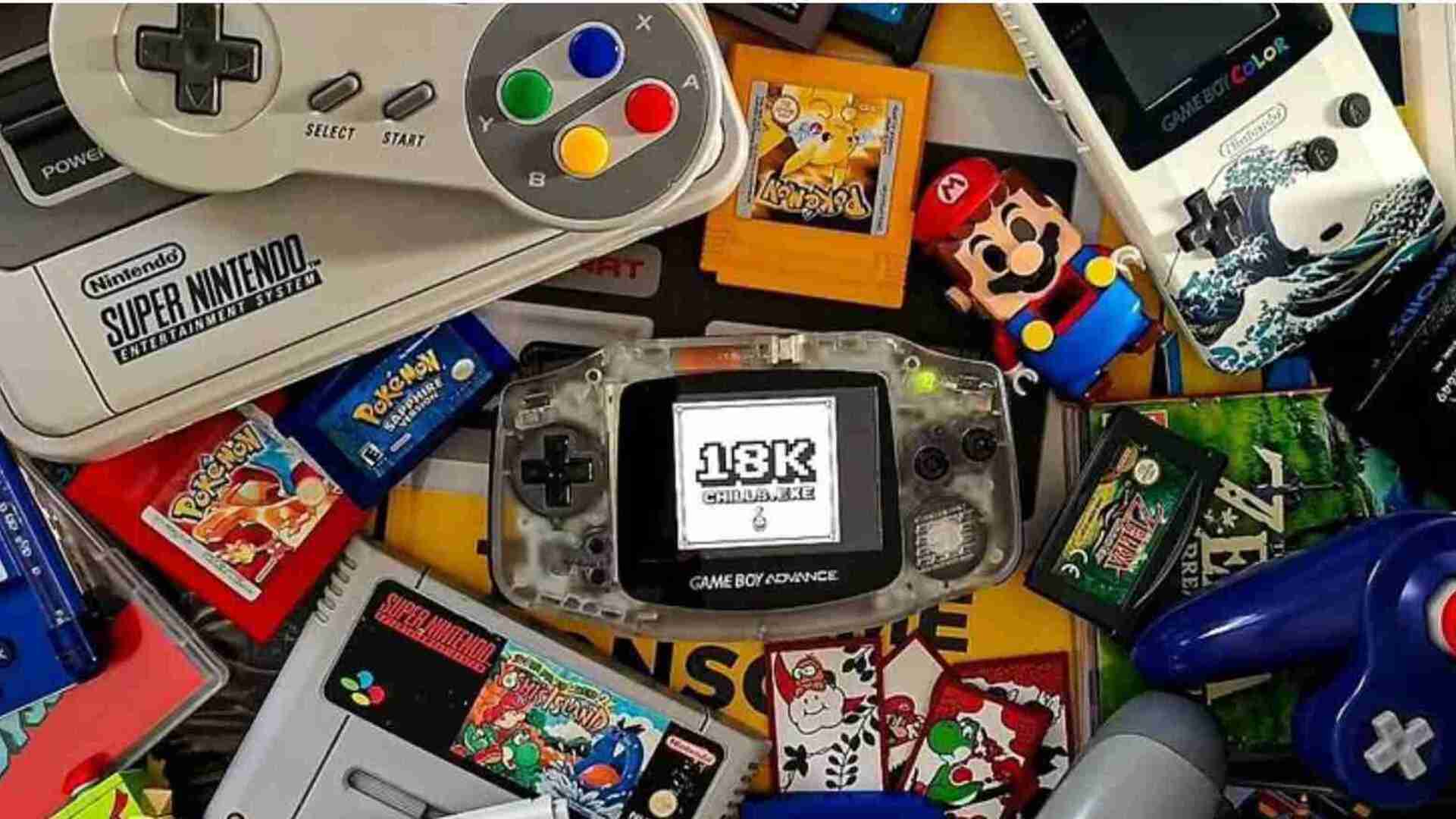
Inazuma Eleven established a groundbreaking formula by pairing an anime series with RPG-style gaming mechanics. Players were introduced to special moves, strategic squad building, and fantasy elements that made virtual matches endlessly entertaining. The franchise proved that soccer games could flourish outside traditional realistic simulations.
Its lasting legacy is evident in how it built a loyal community that spans arcade machines, handheld consoles, and modern releases. By merging superhero-like abilities with pitch tactics, it created an accessible entry point for younger gamers. Today, the series remains a beloved benchmark for arcade sports gaming history.
Blue Lock and the Modern Reinvention of Sports Action
Blue Lock represents the modern era of sports animation, where survival-style competition meets elite athletic training. The narrative focuses on an intense facility designed to isolate top youth players and develop the ultimate striker through psychological pressure and egoist mindsets. This high-octane concept quickly captured the attention of both anime enthusiasts and casual sports fans globally.
The impact of the series extends far beyond the screen, influencing digital mobile games, console collaborations, and real-world pop culture. Modern audiences enjoy seeing intense personal rivalries translated into dramatic visual sequences. The show's popularity highlights how fresh narrative spins can revitalize classic sports genres.
Connecting Virtual Pitches to Real-World Fandom
The synergy between anime adaptations and video games creates an ongoing feedback loop for sports culture. Gamers who play titles based on these series often develop a stronger appreciation for real-world pitch positioning, player archetypes, and tactical adjustments. This cross-media immersion helps keep younger demographics invested in football culture.
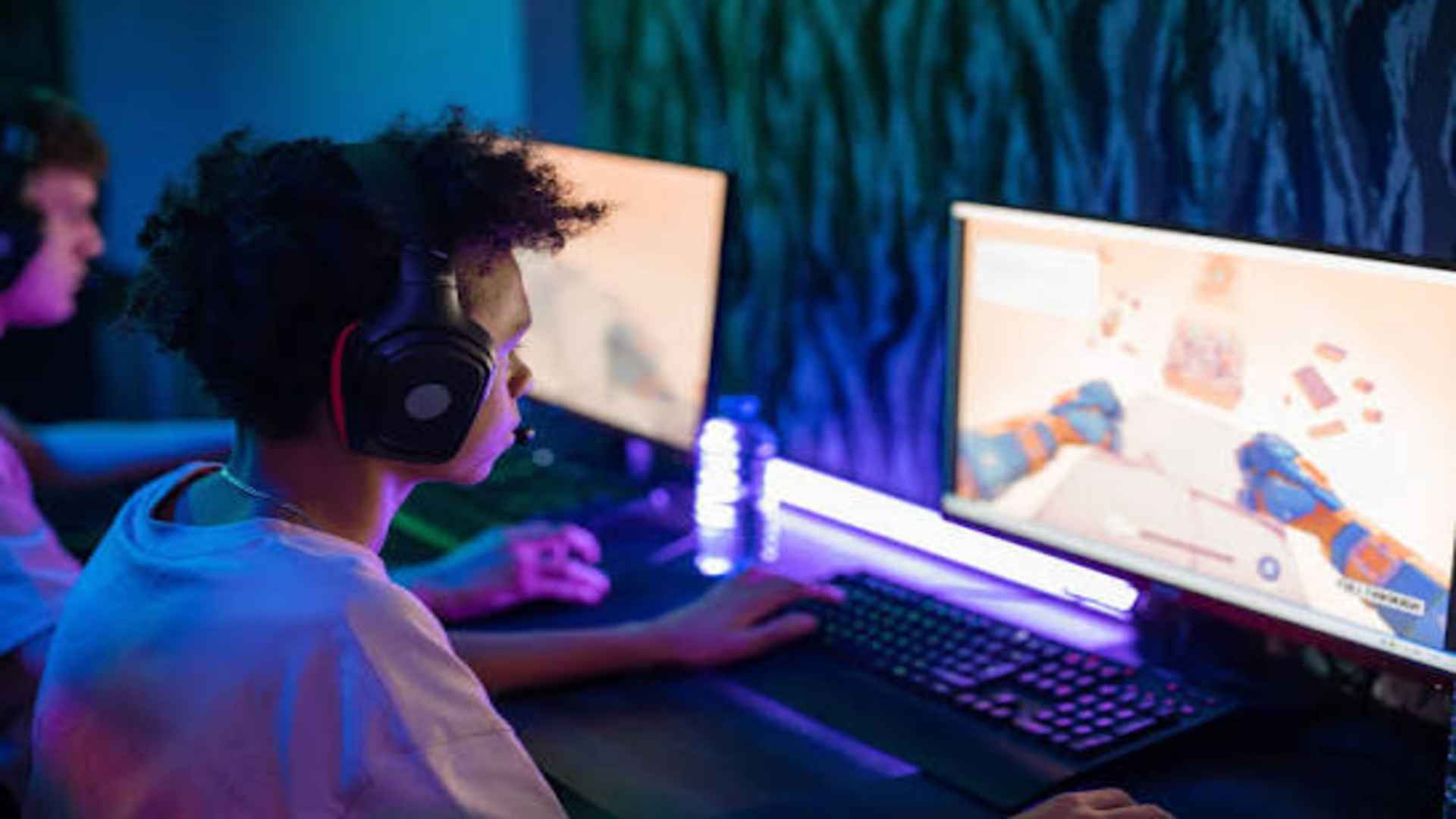
As gaming hardware and animation quality continue to advance, the boundaries between media formats will keep shrinking. Interactive storylines allow fans to step into the shoes of their favorite anime athletes and test their own strategies. Ultimately, the fusion of anime, football, and gaming offers a vibrant ecosystem that celebrates the world's most popular sport in creative new ways.